


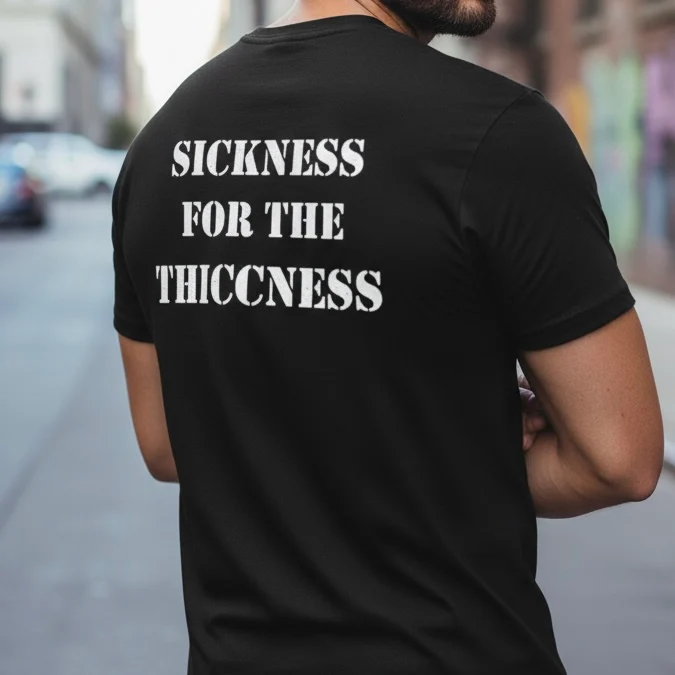
When most people think of tactical gear or outdoor kits, they often think of heavy boots, backpacks, or survival tools. But apparel and accessories — like T-shirts, brooches, lapel pins — have their place too. The reason goes beyond aesthetics: they help express identity, support community, and sometimes even serve functional roles (camouflage, morale patches, uniformity in a team).
More Than Just Clothing: Apparel as a Statement
T-shirts with logos, emblems, or slogans often do more than look good. For outdoor enthusiasts, survivalists, or tactical-gear users — such clothing can represent identity, philosophy, or affiliation with a group (e.g. a hiking club, military-style group, prepper community).
Similarly, brooches or lapel pins — though small — can carry symbolic value. They might represent membership, a shared cause or mission, achievements, or solidarity with a group. In some communities, wearing such accessories helps build camaraderie and mutual respect.
Utility Meets Style: When Apparel Matters in the Field
While T-shirts and accessories may not carry ammo or tools, they still serve practical purposes:
-
Comfort & breathability: A well-chosen T-shirt can help in hot climates or during intense physical activity — moisture-wicking, quick-drying fabric matters when you’re hiking or carrying heavy gear.
-
Identification: In group operations — whether security, search & rescue, or group expeditions — uniform or similar apparel can help quickly identify teammates.
-
Morale & psychology: Simple items like patches or pins can have morale-boosting effect. They can help foster group identity, and remind individuals of purpose, training, or values. That psychological component — feeling part of something — often matters as much as physical gear.
Choosing the Right Apparel & Accessories: What to Consider
-
Material & comfort: Breathable, lightweight fabrics for T-shirts; durable material if outdoors or rough environments.
-
Design & symbolism: Logos, patches, or pins that reflect purpose, identity, or group. Avoid over-branding that might draw unwanted attention.
-
Utility: Even accessories can serve functional roles — e.g., morale patches, name-tags, small pouches, or multipurpose accessories (like tactical belts, gloves, hats).
-
Flexibility: Apparel that works both in everyday urban settings and on the field — useful if you transition between roles (e.g., office → outdoors → field).
Apparel & Identity: The Subtle Power of Belonging
One often-overlooked benefit of apparel and accessories is the psychological effect — belonging, identity, solidarity. In a team — be it a hiking group, survival team, or security detail — uniform-ish T-shirts, symbolic pins, or matching accessories help cultivate unity.
They send a signal: “We are prepared, we are organized, we stand as one.” That shared identity can foster trust, coordination, and discipline — intangible but powerful benefits when working or operating together.
Everyday Use & Versatility: Beyond Gears and Bags
Not every day requires a full tactical loadout. On casual days or during everyday activities, a simple, comfortable T-shirt or subtle lapel pin may suffice. Good apparel bridges the gap between “field-ready” and “civilian normal.”
Also, for people who value minimalism — a functional T-shirt and a multipurpose accessory might be all they need, instead of a bulky bag full of gear.
Balance: Don’t Underestimate or Overestimate Accessories
While apparel and accessories offer benefits, they aren’t a substitute for real gear. A lapel pin doesn’t replace a multi-tool. A T-shirt doesn’t carry water or light. The mistake some make is to over-brand or overemphasize accessories as symbolic status — rather than functional items.
The goal should be balance: use apparel and accessories to complement, not replace, your core gear. They add value where appropriate — comfort, identity, versatility — but shouldn’t distract from preparedness and practicality.
Final Thoughts: Apparel & Accessories Matter in Their Own Way
In the broader universe of tactical gear, backpacks, survival kits, and outdoor gear — apparel and accessories might seem trivial. But they offer unique value: comfort, identity, versatility, and psychological strength.
Whether you’re heading out on a hike, forming a team, or simply wearing your gear in daily life — the clothes and accessories you choose can reflect who you are, what you value, and how you approach preparedness and adventure. When chosen thoughtfully, they become more than decoration — they become part of the system.
