


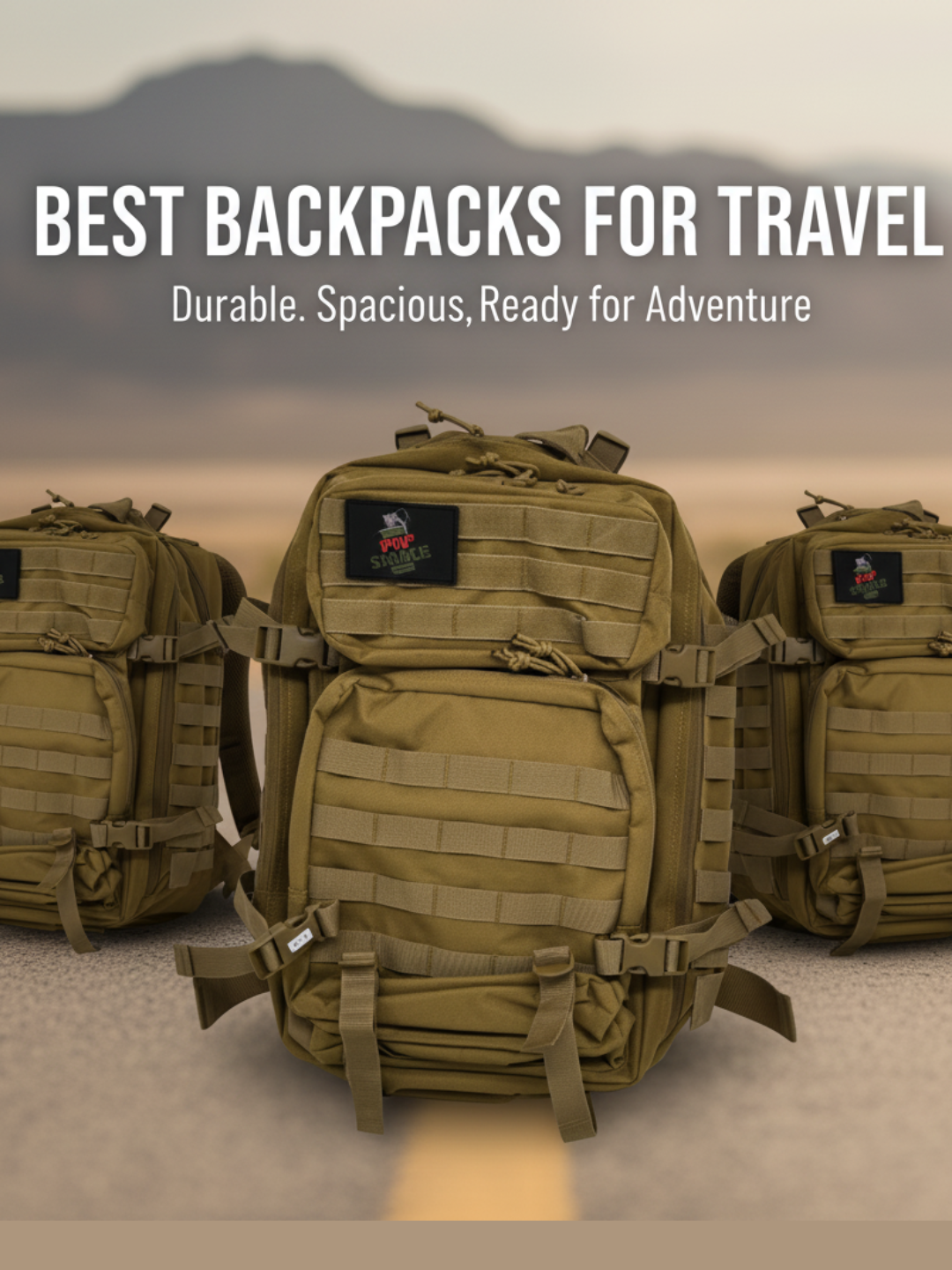
Whether you’re heading on an outdoor adventure, prepping a survival kit, or simply organizing everyday carry tools — a good backpack or bag can make or break your setup. Especially when you choose “tactical-grade” backpacks or duffel bags designed around modularity, durability, and intelligent storage.
Why Backpacks Matter More Than You Think
A bag isn’t just a container — it’s the backbone of your gear system. A great backpack gives structure: it determines how easily you carry, access, organize, and store gear. Whether it’s a military-style pack, a travel duffel, or a “radio-case-capable” bag, the right choice amplifies the usefulness of every item you carry.
As detailed by gear-organizing experts, an ideal pack balances size, comfort, and modular design so you can assemble everything you might need without overburdening yourself.
ITS Tactical
+1
Types of Backpacks & Bags
Military / Tactical Backpacks: Built for rugged use — tough fabric, high-capacity, MOLLE/PALS webbing for attachments. Great for field work, long hikes, or any scenario where durability is key.
Duffel Bags: Useful for gear transport where modular attachment is less essential, but capacity and ease of packing matter. More flexible than tactical packs, duffels are better for gear storage, travel, or transporting large items.
Specialty Bags (Radio Cases, Long-Gear Bags): If you carry specific equipment — like radios, communications gear, tools, or bulky equipment — specialty bags give compartments designed for those loads, often with extra padding or rigidity.
What to Look For When Choosing a Bag
Material quality: Tough fabrics (e.g., Cordura), heavy-duty zippers, strong stitching. These improve longevity and endurance under stress.
Carcajou Tactical
+1
Modularity / Attachment Points: MOLLE/PALS webbing, external straps, loops, compartments — flexibility to customize your carry.
Comfort & Ergonomics: Padded straps, hip belts, breathable back panels — especially for heavy loads or long durations.
Capacity vs Bulk: Choose based on your use-case. For daily carry or tactical load-outs: mid-size packs might be enough. For long expeditions or multiple gear items: full-sized tactical backpacks or duffels.
Accessibility & Organization: Multiple compartments or pouches so you can separate categories: tools, communication, survival gear, personal items. This reduces “digging around” and helps in emergencies.
Building a Carry System: Why It’s More Than Just Throwing Stuff In
One frequent mistake is loading everything haphazardly into a big bag — which leads to inefficiency, clutter, and wasted time when searching for something in a hurry. Instead, treat your backpack as a modular system:
Separate by categories: e.g., tools, hydration, first-aid, communication, clothing.
Keep “on-hand essentials” easily accessible — water, first-aid, flashlight — especially when on the move.
Use modular pouches or sub-bags for items you don’t always need. This keeps the loadout flexible and tailored to specific missions or trips.
This methodology is common in “bolt-bag” packing strategies — a concept used by survivalists and professionals alike.
ITS Tactical
+1
Versatility: From Outdoor Trips to Everyday Use
What’s great about good backpacks and tactical duffels is their versatility. A solid pack can serve a wide range of purposes:
Outdoor expeditions: hiking, trekking, camping, expedition loadouts.
Emergency and bug-out gear — organized, ready-to-grab survival kits.
Everyday carry: especially for people who commute or carry lots of gear (tools, communication devices, first aid, etc.).
Travel: duffels or large tactical packs can double as durable travel bags.
Maintaining your Backpack: Don’t Treat it Like Just Another Bag
A tactical bag deserves be
