


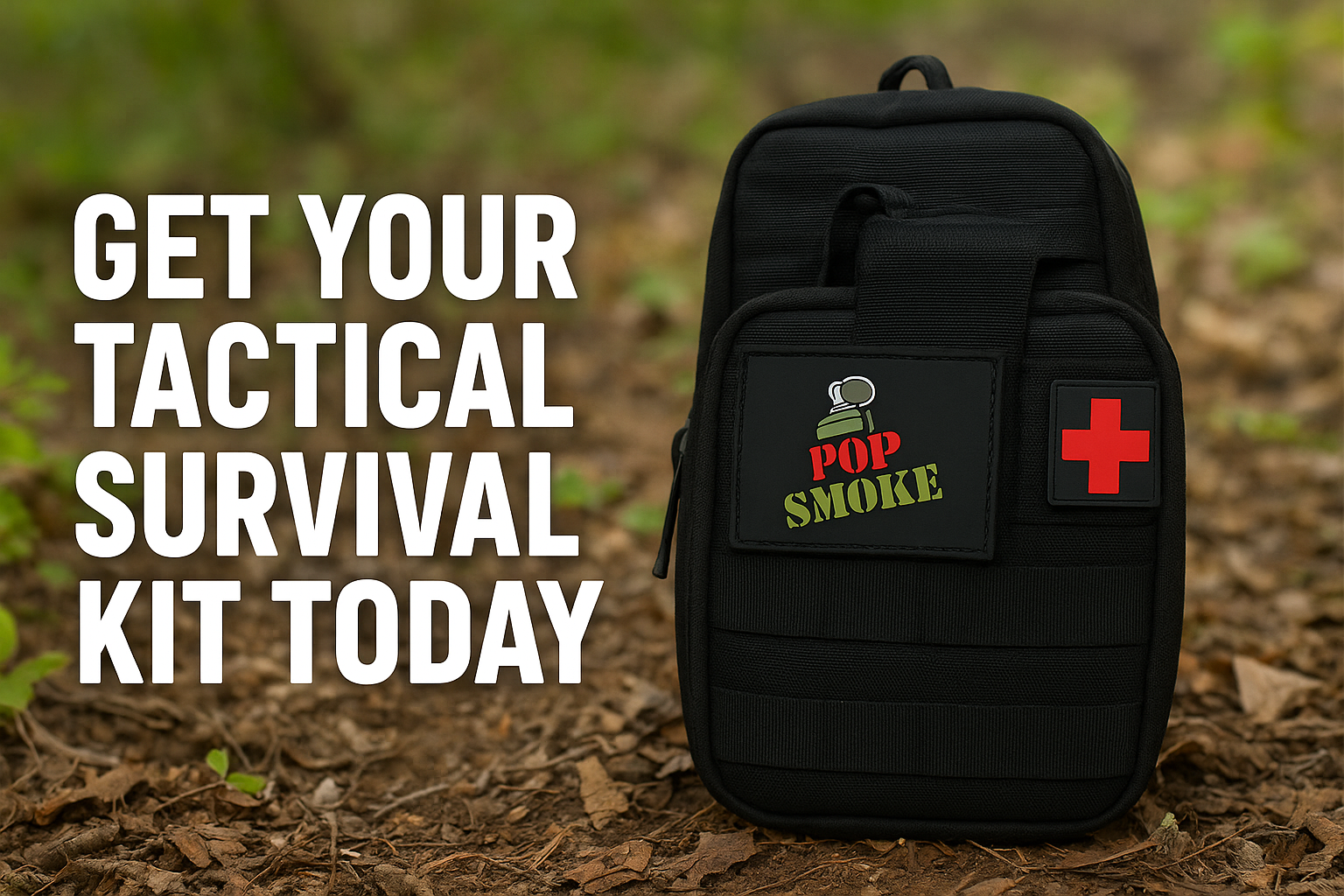
Whether you’re heading into the wild for an adventure — or simply want to be ready for the unexpected — having a well-thought-out survival and emergency kit can make all the difference. Combining essentials like water storage, lighting, carabiners, and emergency tools can mean the difference between being prepared or being stranded.
The Essentials: What a Good Survival Kit Should Include
At the core of any survival kit should be the means to satisfy basic human needs under duress: hydration, shelter or protection, light, navigation/signaling, and basic tools or medical aid. Experts often highlight that survival gear should cover water purification, fire-starting, first aid, signaling and shelter.
From that foundation, a well-rounded survival kit should also include:
-
Reliable light source — headlamps or flashlights — essential after dark or in low-visibility conditions.
-
Water containment/purification — water bottles + filters or purification methods to ensure clean drinking water.
-
Multi-purpose tools / emergency tools — multitools, knives, fire starters, small tools for shelter or repairs.
-
Carabiners / straps / cords — helpful for building shelters, securing gear, setting up camp, or hoisting items.
-
First-aid components and basic medical supplies — bandages, antiseptic, basic medication, wound care — so you can handle injuries or emergencies.
Organization: Pack Smart, Not Heavy
A common pitfall is overpacking or haphazard packing. A survival kit should be compact, light enough to carry, but well organized — enabling quick access to essentials when needed most. One popular strategy (used in “bolt bag” or “go-bag” planning) is to categorize gear into groups (e.g. water/food, medical, tools, signaling, shelter) so non-essentials don’t get in the way of critical items.
Ensure that high priority items like water purification, light sources, first aid, and signaling tools are easily accessible — ideally in external or top-level compartments. Less critical or bulkier items (extra clothes, spare supplies) can go deeper in the pack.
Adaptability is Key: Gear That Works for Multiple Scenarios
One of the strengths of a good survival kit is flexibility. Whether you’re:
-
Hiking or camping and get stranded
-
Facing urban emergencies (power outage, disaster, civil emergency)
-
On a road trip that breaks down in remote areas
You want gear that can handle different situations. For instance, a headlamp isn’t just useful on a forest trail — it’s equally valuable during a blackout. Water purification can matter as much for a roadside breakdown as it does for a wilderness excursion.
Training & Familiarity: Gear Means Little Without Knowledge
It’s not enough to carry a kit — you must know how to use each item and practice regularly. For example:
-
Fire starter tools are useless if you don’t know how to make fire;
-
Water filters or purification tablets are only helpful if you carry them and know how to use them;
-
First-aid kits don’t help if you don’t know basic wound treatment.
As some survival writing guides note — gear is only part of the equation. Your mindset, preparation, and readiness to act are equally important.
Regular Maintenance: Don’t Let Your Kit Go Stale
A survival kit isn’t “set and forget.” Items degrade: batteries lose charge, bandages expire, water bottles get damaged, clothes get worn — periodic inspection and refresh are necessary. Also consider adapting contents over time depending on where you live, climate changes, or new threats. A living kit remains ready and relevant.
The Peace of Mind: Why Survival Gear Is Worth It
Having a well-organized survival kit doesn’t necessarily mean expecting disaster — but acknowledging that life is unpredictable. Whether you’re going on adventurous treks or simply want to be ready for emergencies, a good kit can offer security, flexibility, and confidence.
In a world where natural disasters, accidents, or unexpected events can happen without warning — being prepared isn’t paranoia. It’s prudence. And properly chosen, organized, and maintained survival gear can quite literally save lives.
