


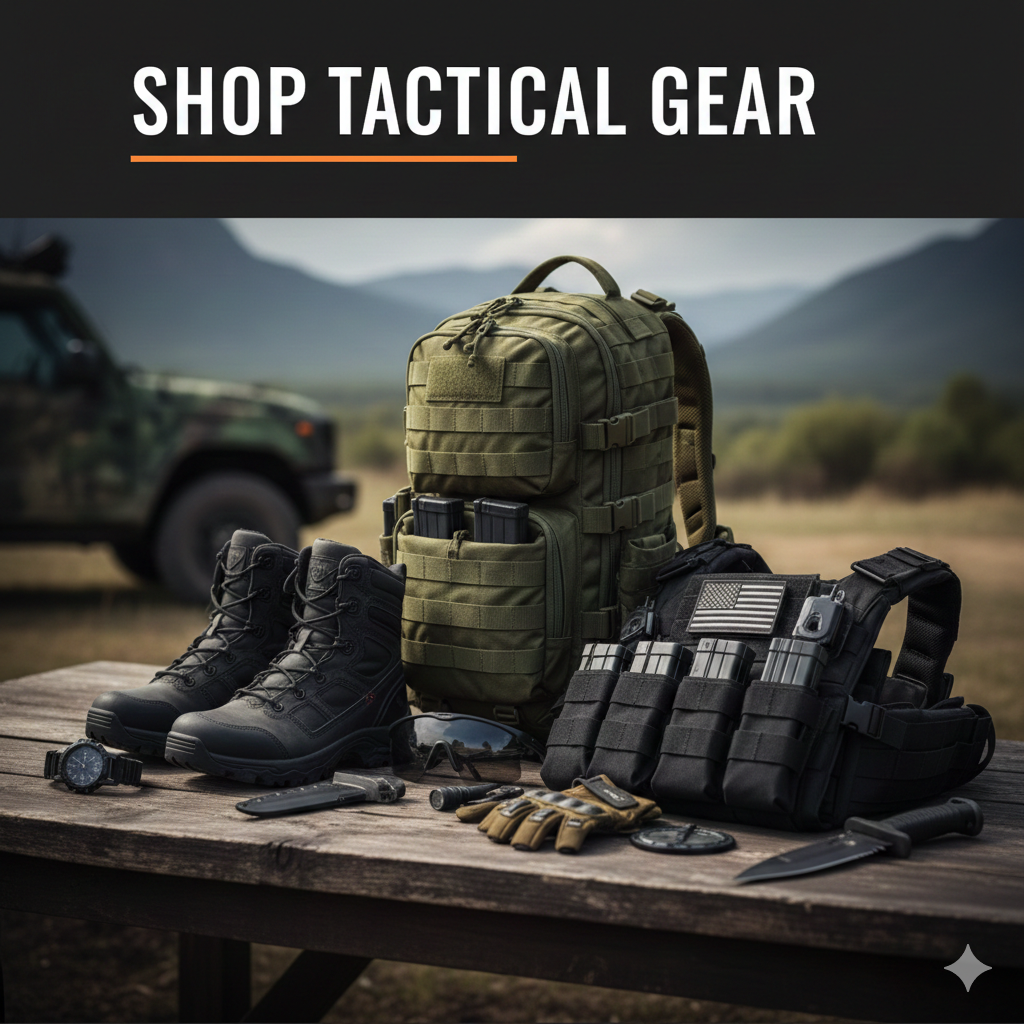
Tactical gear has long been associated with military use, law-enforcement, and security forces — but in recent years, it’s found a broader appeal. What once was limited to combat zones and patrol duty has become essential gear for anyone who values preparedness, organization, and rugged reliability.
Carcajou Tactical
+1
When choosing tactical gear, items like weapon holsters, ammunition cases or holders, handcuff pouches, and radio-carrying cases stand out not because they’re flashy, but because they solve real-world problems: secure storage, quick access under pressure, and resilience in harsh conditions.
Durability and Design: What Defines Good Tactical Gear
A core strength of tactical gear is its build quality. Unlike ordinary bags or pouches, tactical gear is often made with heavy-duty fabrics (such as Cordura® or thick-duty nylon), reinforced stitching, strong zippers or closures, and modular attachment systems like MOLLE/PALS webbing. These features give it longevity and versatility — perfect for heavy use, rough terrain, or unpredictable conditions.
Carcajou Tactical
+1
Moreover, tactical gear isn’t about overkill; it’s about intelligent design. Holsters and magazine pouches are arranged so that you can retrieve what you need fast. Radio cases and belts are positioned to minimize interference and maximize comfort — crucial if you might have to move quickly, crouch, or access gear under stress.
Use-Cases: From Field to Civilian Life
Though originally developed for combat, modern tactical gear finds use in many civilian settings. Security professionals, outdoor guides, survivalists, and even everyday carry enthusiasts benefit from this gear. For example:
A weapon holster and magazine pouch make sense for security or law-enforcement professionals.
A sturdy radio carrying case or belt pouch helps in fields like event-management, disaster relief, or construction.
Even civilians — photographers, outdoor workers, or people living in tough climates — may find durable pouches and MOLLE-compatible packs helpful for carrying tools, flashlights, or personal gear.
Organization: The Tactical Gear Advantage
One common frustration with regular bags is disorganization — tools, items, and gear mixed together haphazardly. Tactical gear solves this by offering specific pouches for specific items. Whether you need to carry ammunition, handcuffs, a radio, or other tools, each gets its own dedicated space. That means faster access, less fumbling, and more reliability when it matters.
Investing Wisely: What to Prioritize
If you’re beginning to build a tactical gear kit:
Prioritize quality materials and stitching. Cheap gear wears out fast under stress.
Think modular: gear that can attach/detach, expand or shrink depending on load — good tactical gear offers flexibility.
Comfort and ergonomics matter: a belt or holster system should distribute weight evenly and not hinder movement.
Think about intended use: security, outdoor, everyday carry — gear should match the mission.
Final Thoughts: Tactical Gear ≠ Just For Soldiers
Tactical gear is more than aesthetic or fashion. It stands for preparedness, order, durability, and adaptability. Whether you are in security, an outdoor enthusiast, or someone who wants gear that lasts — adopting tactical gear sensibly can significantly elevate your readiness and convenience.
If you like — I can compile a list of 5–10 recommended tactical gear items (holsters, pouches, rigs) for civilian use (non-combat / legal use) that match these principles.
