


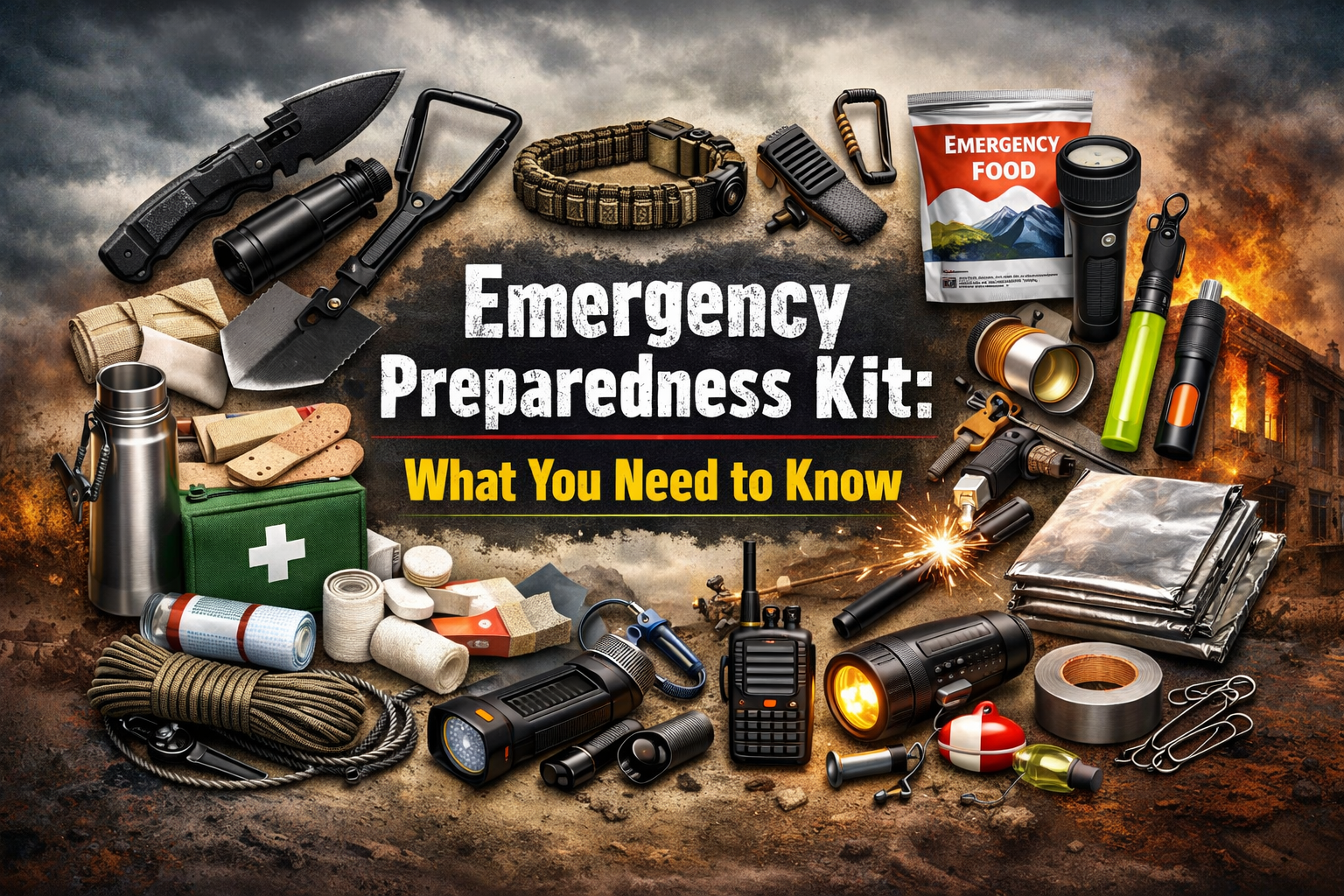
Emergencies occur every day around the world, ranging from natural disasters, vehicle breakdowns, power outages, getting lost in the wilderness, and even getting stranded. In such situations, you may be left to survive alone. Therefore, it’s important to carry essential items like a first aid kit, a flashlight, a multi-tool, matches, medicine, food, and water. The purpose of an emergency preparedness kit is to keep you prepared for a few days. To learn more, continue this article.
Essential Items in an Emergency Preparedness Kit
Your kit can contain many essential items. The things you should always have in your kit include medications, water, food, heat and shelter, first aid equipment, and more. Let’s learn more about each one:
Water & Food
Always try to store enough water for at least 72 hours. Also including long-lasting, high-calorie foods like energy bars, canned meals, and dried snacks.
First Aid & Medical Supplies
Carry bandages, antiseptic wipes, scissors, cotton swabs, gloves, pain relievers, and personal medications in your kit for any medical emergencies that can handle minor injuries and prevent infections.
Tools & Survival Gear
Some tools and survival gear may include folding knives, paracord, wire saws, fire starters, and folding shovel/pick combos that help in shelter building, and basic survival tasks.
Shelter
Emergency blankets protect against hypothermia by retaining body heat. Lightweight but highly effective, they are crucial in cold or wet environments.
Lighting & Signaling
Flashlights, headlights and whistles help with night visibility and signaling for rescue.
Personal Safety & Utility Items
Also carrying small items matter most like Carabiner, water bottle clip, safety pins, fishing gear, wipes and sanitizers.
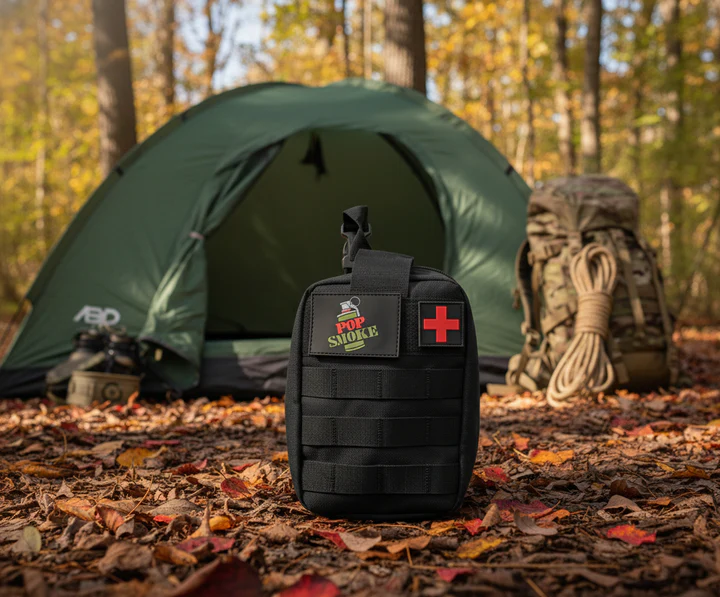
What emergencies should you be prepared for?
- Natural disasters (earthquakes, hurricanes, floods)
- Power outages and extreme weather
- Car breakdowns in remote areas
- Emergencies outdoors or in the wilderness
- Evacuation and relocation situations
- Medical emergencies when help is delayed
Each situation may require slight variations, but the essentials remain the same.
Also Read:- Best Survival Gear Websites: Where to Buy Reliable Kits Online?
How to Update and Maintain Your Kit?
Always maintain your kit and update it every six months, replacing expired food, water, and medications based on the weather, location, and your needs. Get comfortable with your equipment as it’s important to know how it works before you need it.
Remember not to rely solely on your phone or technology, don’t forget to take first aid or personal medication, don’t pack too many unnecessary items and make your luggage bulky, and never look at expiration dates. And ultimately forgot to learn how to use supplies in an emergency?
Final Thoughts
Being prepared means being strong. Emergency preparedness doesn’t mean having too much, but being prepared. A well-planned emergency kit provides confidence, safety, and control when circumstances change suddenly. Today’s preparation can save lives tomorrow.

