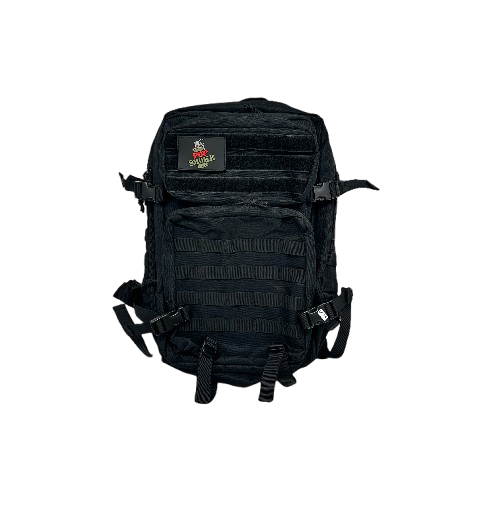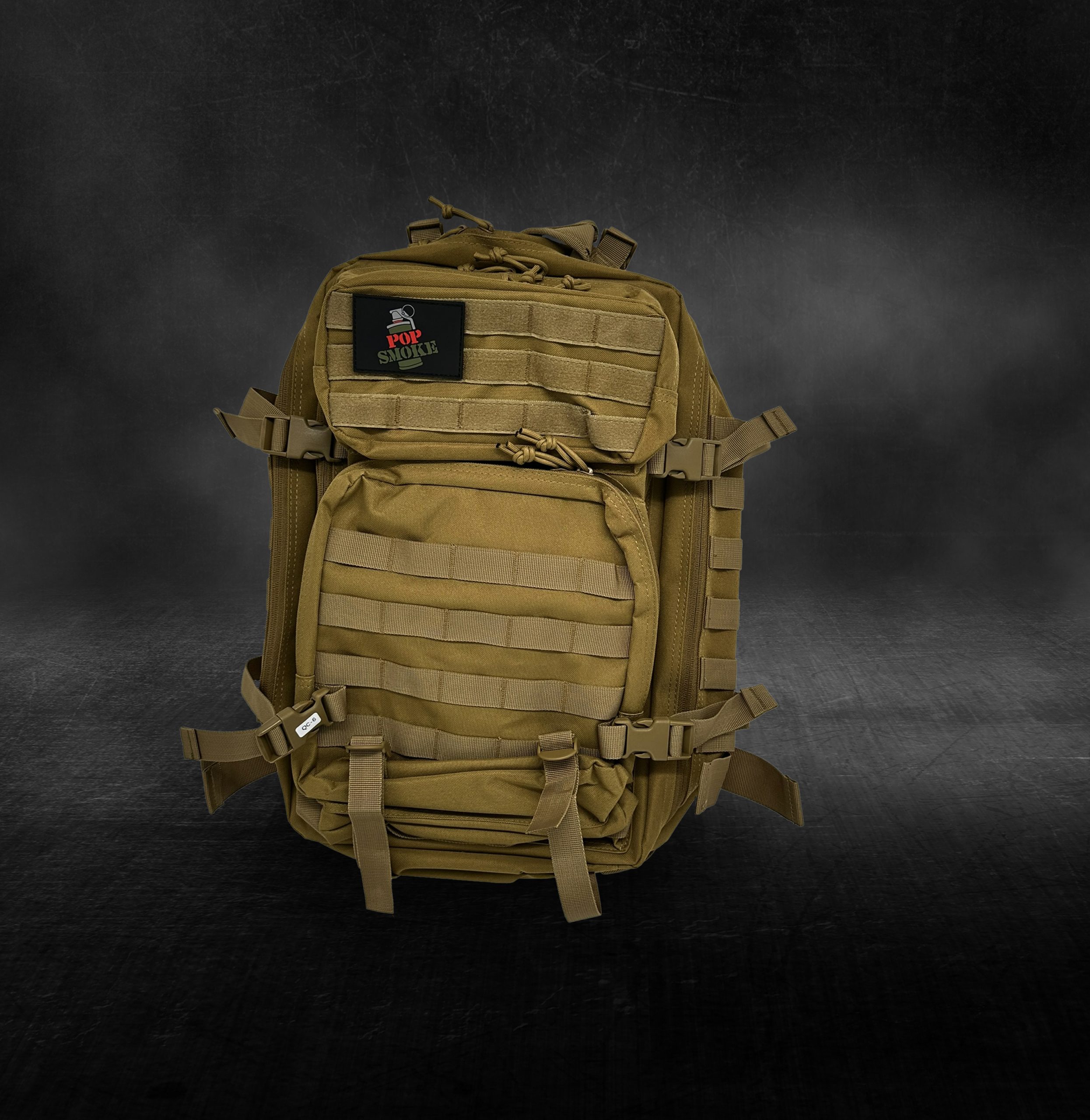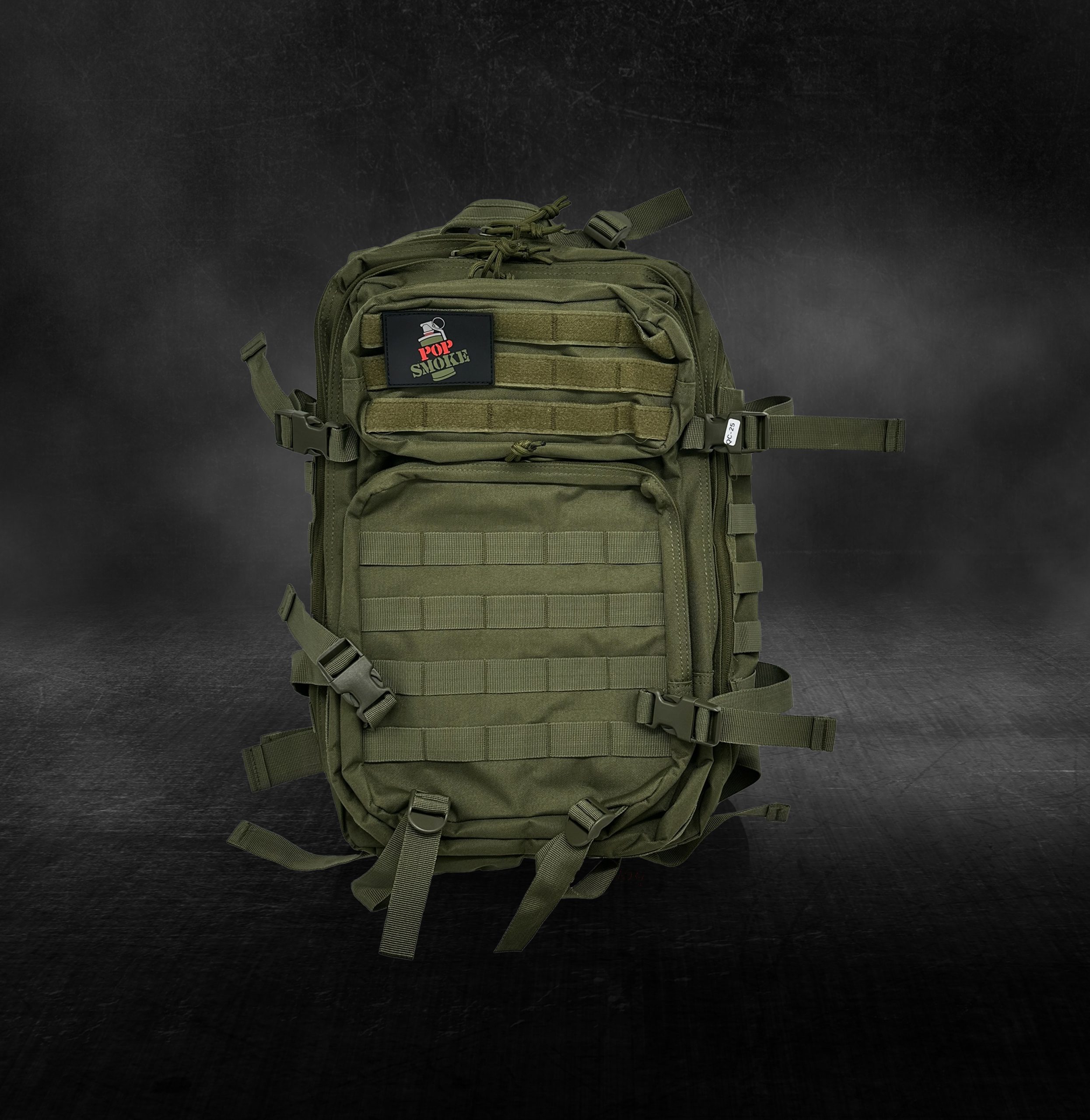
Yes, military backpacks are generally built tough, designed to survive harsh conditions and heavy loads. They are made to take a beating, which is why we often see them used for everything from hiking to everyday carry. We’ve seen packs from twenty years ago still in service, albeit with some faded fabric.
These packs get dragged through mud, scraped on rocks, and tossed around. Our experience shows their stitching holds up, straps don’t snap under normal use, and the main fabric resists tearing. They feel substantial when you pick them up, not flimsy. The trade-off is they often weigh emptier than a civilian pack of similar size.
This extra heft comes from the beefed-up materials and construction, a necessary trade for serious durability.
Military Backpack: Waterproof or Water resistant?
Most military backpacks are water-resistant, not fully waterproof. They can handle a light rain or a quick splash, but they won’t keep your gear dry in a downpour or if submerged. We’ve learned the hard way that ‘water-resistant’ means water will eventually get in. They typically shed water well off the main body thanks to treated fabrics.
However, zippers are a common entry point, and seams, unless taped or sealed, will allow water seepage over time. For critical items, you’ll still need dry bags or a pack cover inside. Don’t trust your electronics to just the pack in serious weather; we always double-bag anything sensitive.
What Materials Make Military Packs Last?
Military packs rely on heavy-duty synthetic fabrics like nylon for their main body, chosen for abrasion resistance and strength. Beyond the main cloth, it’s the little things that matter. We’re talking thick webbing for straps and load-bearing points.
They use stout YKK zippers, which feel solid in your hand and don’t catch. Pull on the zipper—it shouldn’t snag on the inside fabric. The buckles are often tough plastic or even metal, designed not to crack when dropped or stepped on. While these materials add to the pack’s overall weight, they ensure the pack won’t fail when you’re depending on it.
The Real Pros And Cons Of Military Backpacks?
The biggest pro is plain durability; these packs are tanks. They often come with plenty of attachment points, making them highly customizable for different loads. You can lash on extra pouches or gear easily.
The cons usually involve comfort and weight. Military packs often prioritize ruggedness over ergonomic comfort for everyday carrying. They can feel stiff, and the suspension systems, while robust, might not conform to your back as well as a specialized hiking pack. Their heavier empty weight can be a drag on longer trips. For short, demanding jobs, their strength is a huge advantage. For a week on the trail, the extra weight can wear you down.
Buying A Military Backpack: What To Look For?
When you’re checking out a military backpack, first, run your hands over all the stitching. Look for double or triple stitching on stress points like where the shoulder straps meet the pack body. Grab the shoulder straps and yank them; they should feel absolutely solid, not like they’re giving. Check the zippers next—they should open and close smoothly without catching. Feel the fabric; it should feel thick and tough. If a pack feels flimsy, pass on it.
You may Also Like-The Best Military Style Backpacks of 2026
Don’t just look at the brand; inspect the build quality. A good pack will feel substantial and well-made from the moment you pick it up.