


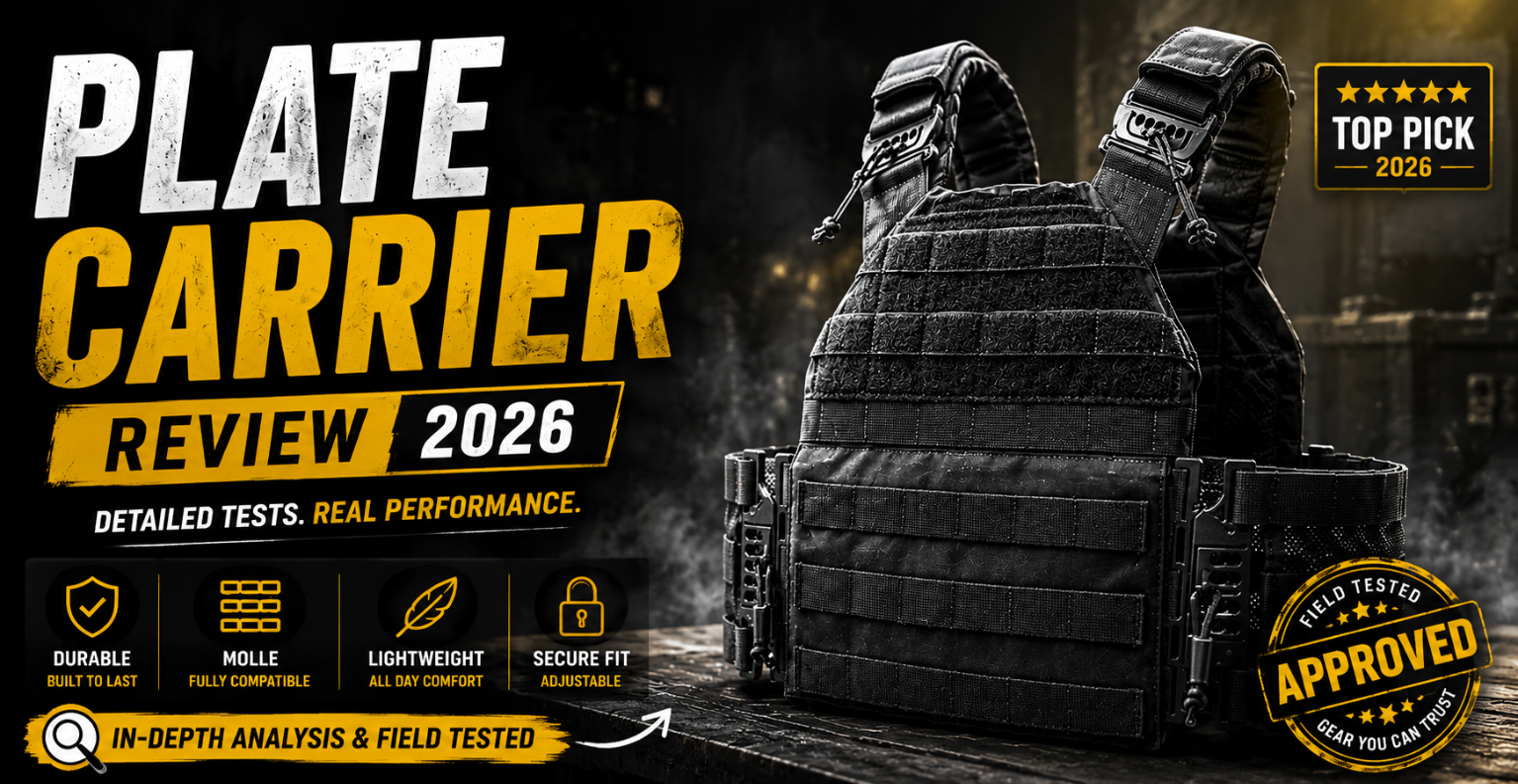
The demand for the best plate carrier review is increasing rapidly as more users seek reliable gear for training, security, outdoor survival, and tactical applications. Selecting the right body armor vest involves more than just protection; it also means considering comfort, mobility, storage, and durability. This guide covers the top options available, highlights essential features, and offers expert buying tips to help you invest in the right plate carrier vest for your needs.
Why Tactical Users Prefer a Plate Carrier Vest in 2026?
In 2026, the shift from a traditional, heavy bulletproof tactical plate carrier is motivated by the need to address modern threats, such as high-velocity rifle rounds, while preserving agility. Key reasons for this shift include:
- Superior Rifle Protection: Unlike soft armor, plate carriers accommodate hard armor plates (NIJ Level III or IV), which are crucial for stopping rifle fire.
- Modular Customization (MOLLE/PALS): Users can personalize their setup with pouches for ammunition, radios, and medical gear based on specific mission requirements.
- Enhanced Mobility: Modern, low-profile designs enable operators to move quickly and comfortably without being hindered by unnecessary bulk.
- Scalability: Many models available in 2026 can be adapted from high-visibility, fully loaded combat configurations to low-visibility, slick setups for covert operations.
Top 5 Essential Features of the Best Plate Carriers in 2026
When selecting a plate carrier vest, the 2026 market emphasizes these five features to ensure survivability and performance:
You Must also Read: Beginner plate carrier setup guide
- Durable Materials: High-quality construction, using materials such as 500D or 1000D Cordura, laser-cut laminates, or reinforced textiles, is essential for durability.
- Quick-Release System: This feature enables the user to remove the vest swiftly in emergencies, such as during a water landing or a medical crisis.
- Advanced Comfort and Padding: Enhanced shoulder pads and breathable mesh liners improve weight distribution and reduce fatigue during extended operations.
- True Fit and Compatibility: The carrier must securely hold the specific size and shape of plates (e.g., SAPI, ESAPI, swimmer cut) without sagging.
- Modular Attachment Options: Reliable, modern MOLLE/PALS webbing or swift-clip placard systems are vital for customization.
Lightweight vs. Heavy-Duty Tactical Plate Carriers: Which is Right for You?
According to the best plate carrier review, here’s the difference between lightweight and heavy-duty plate carriers:
- Lightweight Carriers: These are designed for speed, low-profile operations, or close-quarters battle (CQB), often made from advanced, lightweight fabrics.
- Heavy-Duty Carriers: These are built for sustained, multi-day operations in high-threat environments or for situations requiring the carrying of significant extra weight.
| Features | Lightweight Carrier | Heavy-Duty Carrier |
|---|---|---|
| Best for | Active shooter, patrol, training | Long-term duty, Combat, SWAT |
| Weight | Very Low (< 2 lbs without plates) | High (designed for heavy load bearing) |
| Mobility | Maximum | Moderate |
| Armor Load | Medium plates only | Large plates, heavy front/side plates |
| Examples | Cyre JPC 2.0, Ferro Slickster | Aspetto KWIQ PC 2, LBT 6094 |
Best Plate Carrier Vest Options for 2026: Researched & Reviewed
Based on our latest best plate carrier review research, these tactical plate carrier options excel in comfort, durability, mobility, and overall performance for 2026 which can be a very perfect fit for you according to your specific purpose.
Aspetto KWIQ PC 2 Plate Carrier Body Armor — Best Overall Tactical Plate Carrier
The Aspetto KWIQ PC 2 combines lightweight construction, fast quick-release functionality, and excellent ventilation into a modern design. This body armor offers strong mobility, modular storage, and long-wear comfort, making it one of the best all-around tactical carriers for training, security, and outdoor applications.
Crye Precision JPC 2.0 — Best Lightweight Plate Carrier Vest
The Crye Precision JPC 2.0 is recognized for its lightweight profile and highly modular design. Its durable materials and streamlined structure make it ideal for users who prioritize speed, flexibility, and reduced bulk.
Agilite K19 Plate Carrier — Best for Comfort & Heavy Loadouts
The Agilite K19 is designed for extended wear, featuring advanced shoulder padding and balanced weight distribution. This tactical vest delivers superior comfort while supporting heavier tactical gear and armor.
Ferro Concepts Slickster — Best Low-Profile Tactical Plate Carrier
The Ferro Concepts Slickster boasts a minimalist design that enhances mobility without sacrificing essential functionality. Its compact structure makes it a reliable tactical plate carrier for range training, urban movement, and lightweight loadouts.
Defense Mechanisms MEPC — Best Budget Plate Carrier Vest
The Defense Mechanisms MEPC provides premium-level modularity and dependable durability at a competitive price. This plate carrier vest is an excellent value option for users seeking customization and performance without overspending.
SNS Precision Plate Frame-Modular — Best for Heavy Armor Setups
The SNS Precision Plate Frame-Modular is engineered for stability when carrying larger or heavier armor plates. Its rigid frame system enhances load support, reduces movement, and improves overall performance during demanding tactical use.
Also Read: Plate Carrier Buying Guide: What you Should know before you buy
Pros & Cons of Each Plate Carrier
You must exactly know what pros and cons does each plate carrier has to choose the best option for yourself among the listed ones.
| Body Armor Brand | Pros | Cons |
|---|---|---|
| Aspetto KWIQ PC 2 | • Fast quick-release mechanism • Balanced comfort & mobility • Modern modular MOLLE layout | • Limited long-term community feedback • Mixed opinions on shoulder design • Expensive for beginners |
| Crye Precision JPC 2.0 | • Extremely minimal & agile design • Trusted by military professionals • Excellent movement during training | • Thin padding under heavy weight • Premium pricing • Minimalist design may not suit heavy setups |
| Agilite K19 | • Outstanding long-duration comfort • Strong shoulder support for heavy kits • Easy sizing & adjustment system | • Bulkier profile • Heat retention during extended use • Heavier than minimalist carriers |
| Ferro Concepts Slickster | • Excellent low-profile concealment • Clean minimalist setup • Ideal for urban/range loadouts | • Limited attachment capacity • Not designed for heavy armor loads • Less padding for prolonged wear |
| Defense Mechanisms MEPC | • Highly customizable platform • Strong balance of price & performance • Good modular expansion options | • Requires additional setup customization • Accessories sold separately • Less mainstream brand recognition |
| S&S Precision PlateFrame Modular | • Exceptional heavy-load stability • Advanced ventilation system • Strong structural frame support | • Very expensive system • Overbuilt for casual users • Less comfortable for lightweight setups |
How to Choose the Right Plate Carrier for Long-Term Use?
This Plate Carrier Review guide is not just about reviewing the best option of the market but also giving you some important tips so that you can choose the right plate carrier yourself for long-term use without any worry. Just focus on these things:
- Fit the Plates First: Always buy your plate carrier vest before selecting a carrier. Ensure that the carrier perfectly matches the size of your plates (e.g., 10″x12″ or SAPI Medium).
- Define Your Purpose: A civilian preparing for home defense will need a different setup compared to a private security contractor. Prioritize comfort for extended use.
- Check Materials: Look for carriers made of 500D Nylon or durable laminates. Avoid 1000D materials, as they tend to be unnecessarily heavy.
- Prioritize Cummerbund Stability: A weak cummerbund can cause the vest to sag and bounce. Look for stiffened cummerbunds equipped with quick-release clips.
Common Tactical Plate Carrier Buying Mistakes to Avoid in 2026
- Buying Too Big: Plates that are too large will restrict movement and make it difficult to sit in a vehicle.
- Overloading: Avoid turning your carrier into a parachute harness. Add only the essential gear; carrying too much can compromise the carrier’s ergonomics.
- Neglecting Armor Type: Using low-quality steel plates in a high-quality plate carrier vest, or vice versa, is inefficient. Ensure your plates are suited to the expected threat.
- Forgetting Hydration/Comfort: You will become dehydrated and fatigued faster than you might think. Consider integrating a Qore Performance ICEPLATE or a water pouch for hydration.
Comfort and Durability Test: Which Carrier Actually Performs?
In 2026, the Aspetto KWIQ PC 2 Plate Carrier excelled in comfort, airflow, and mobility, thanks to its lightweight design and anti-microbial ventilation, minimizing fatigue during long sessions.
The Agilite K19 was highly rated for comfort due to its advanced shoulder padding and ergonomic weight distribution, making it ideal for extended wear and heavy loads.
The Crye Precision JPC 2.0 stood out for its durability during rigorous field use, while the S&S Precision Plate Frame offered excellent ventilation in hot conditions.

